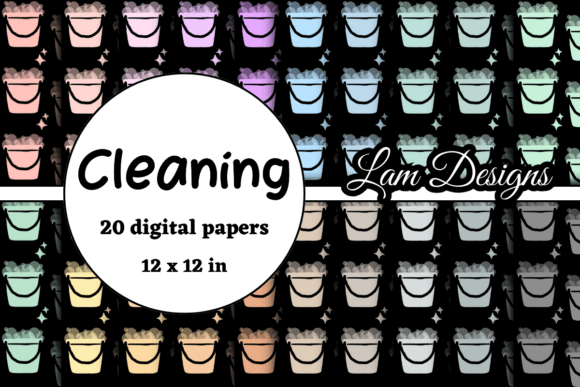
Cleaning Digital Papers
When it comes to digital design, the concept of cleaning digital papers might not be something you think about every day. But for creators, artists, and professionals in fields like graphic design, scrapbooking, or stationery, it's a crucial step that can make a big difference in the quality of your work.
Cleaning digital papers refers to the process of removing unwanted elements from digital images—like background noise, patterns, or imperfections—to create a clean, professional look. This is especially important when working with high-resolution images that will be printed or used in various creative projects.
Real-World Uses for Cleaning Digital Papers
Whether you're a hobbyist or a professional, there are countless situations where cleaning digital papers can be incredibly useful. For example, if you're creating invitations, business cards, or greeting cards, having clean, well-prepared digital papers ensures that your final product looks polished and professional.
Scrapbookers often rely on digital papers to add texture and visual interest to their pages. However, if the background has unwanted elements or patterns, it can detract from the overall design. By cleaning these digital papers, you can ensure that the focus remains on the photos and other elements you've carefully placed.
Another common use case is in the creation of printable backgrounds for planners, journals, or wall art. These backgrounds need to be clean and consistent so they don't interfere with the text or other design elements. Cleaning digital papers helps maintain that consistency across all your projects.
Who Benefits from Cleaning Digital Papers?
The benefits of cleaning digital papers extend to a wide range of users. Graphic designers, for instance, often work with multiple layers and elements, and cleaning up their digital papers can streamline the design process and improve the final output.
For small business owners who create custom stationery or promotional materials, having access to clean digital papers can save time and effort. Instead of spending hours editing each image, they can quickly select and use pre-cleaned papers that fit their brand aesthetic.
Home crafters and DIY enthusiasts also find value in this process. Whether they're making stickers, fabric patterns, or wrapping paper, clean digital papers provide a solid foundation for their creative projects. It allows them to focus more on the design and less on the technical details.
Practical Examples of Cleaning Digital Papers in Action
Imagine you're designing a set of wedding invitations. You want the background to be elegant and sophisticated, but the digital paper you found has a faint pattern that doesn't match the overall style. By cleaning the digital paper, you can remove that pattern and create a seamless, cohesive look that aligns with your vision.
Another scenario might involve creating a series of greeting cards for a client. If the digital papers have inconsistencies or distractions, they could take away from the message you're trying to convey. Cleaning those papers ensures that the focus stays on the artwork and text, making the final product more impactful.
Even in industries like fashion or interior design, where fabric patterns and wallpapers are essential, cleaning digital papers can help maintain a clean and professional appearance. It ensures that the textures and designs are consistent and free from any visual clutter.
Considerations Before Using Cleaning Digital Papers
Before diving into the process of cleaning digital papers, it's important to consider a few key factors. First, you'll want to ensure that the digital papers you're working with are of high quality. Low-resolution or poorly formatted files can be more difficult to clean and may not produce the desired results.
It's also helpful to understand the tools and software available for cleaning digital papers. Programs like Photoshop, GIMP, or even online editors can offer different levels of control and precision. Choosing the right tool depends on your skill level and the complexity of the task at hand.
Another consideration is the purpose of the digital papers. If you're using them for print, you'll need to pay attention to color accuracy and resolution. For digital use, such as on social media or websites, the focus might be more on file size and compatibility.
Strengths and Limitations of Cleaning Digital Papers
Cleaning digital papers offers several strengths, including improved visual clarity, better consistency across projects, and increased efficiency in the design process. It allows creators to focus on the creative aspects rather than the technical details, leading to more polished and professional results.
However, there are also limitations to consider. Some digital papers may have complex backgrounds or intricate patterns that are difficult to clean without affecting the overall design. In such cases, it may be more practical to choose a different paper or modify the design instead of attempting to clean it.
Additionally, the time and effort required to clean digital papers can vary depending on the complexity of the image. While some edits may be quick and straightforward, others might require more detailed work, which could impact productivity.